What was the problem?
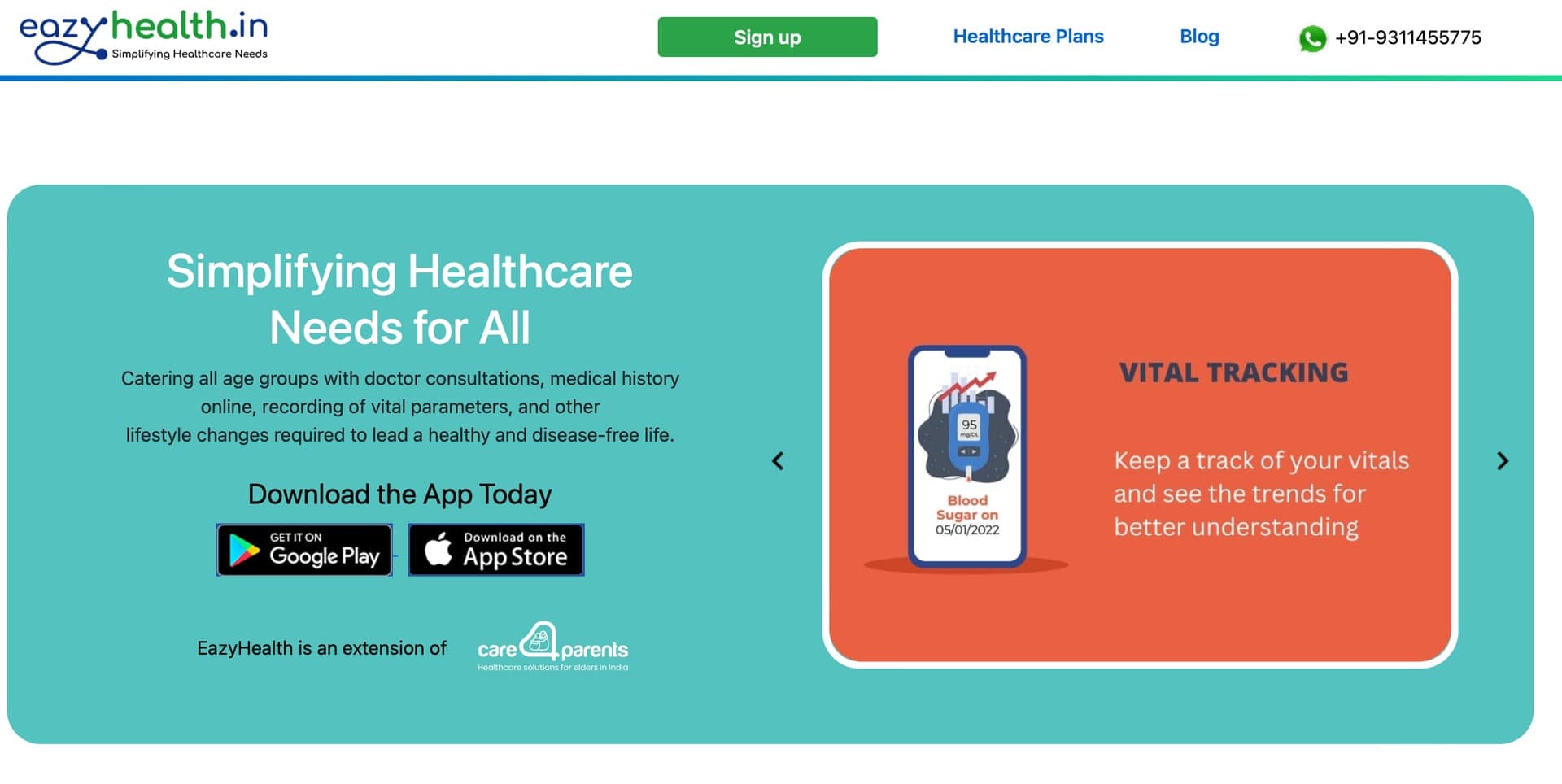
Care4parents served people over 60. Their children, the ones already logging in to read a parent's vitals, were the age group least likely to record anything about their own health. EazyHealth had to be the same idea aimed at people who do not think of themselves as patients yet.
- The audience has no medical file to import: the platform had to be useful on day one, from a single reading.
- It shares its clinical model with Care4parents, so the two products had to stay consistent rather than fork into two definitions of the same vital.
- Consultations, plans, reports and vitals each arrive from a different place and still have to read as one history.
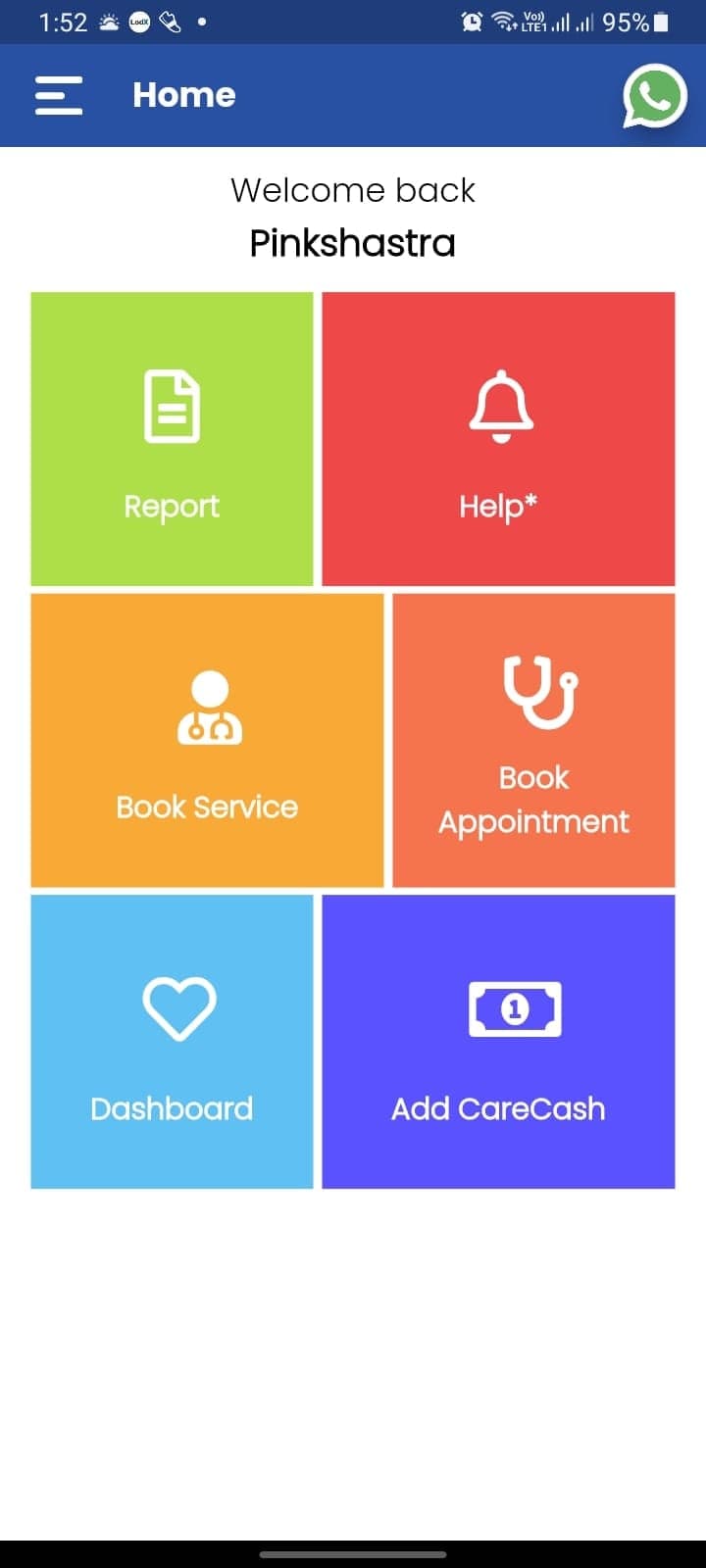
- Sign-up had to survive on mobile, because for this audience the app is the product and the website is the brochure.