
We build the software your business runs on.
Web apps, mobile apps and SaaS platforms, designed, built and shipped by one team.
Then we automate the work around it.
AI agents that own a task end to end: support triage, lead routing, reporting, follow-ups.
1,284 tasks automated today06 AI agents live85% returning clients




















Four ways we turn a business problem into running software.
One team designs, builds and ships all four.
We build things people keep using.
Four recent builds, shown as they ship. Open any one for the problem, the approach and what changed.
- 01 / 04SaaSprefero.ai
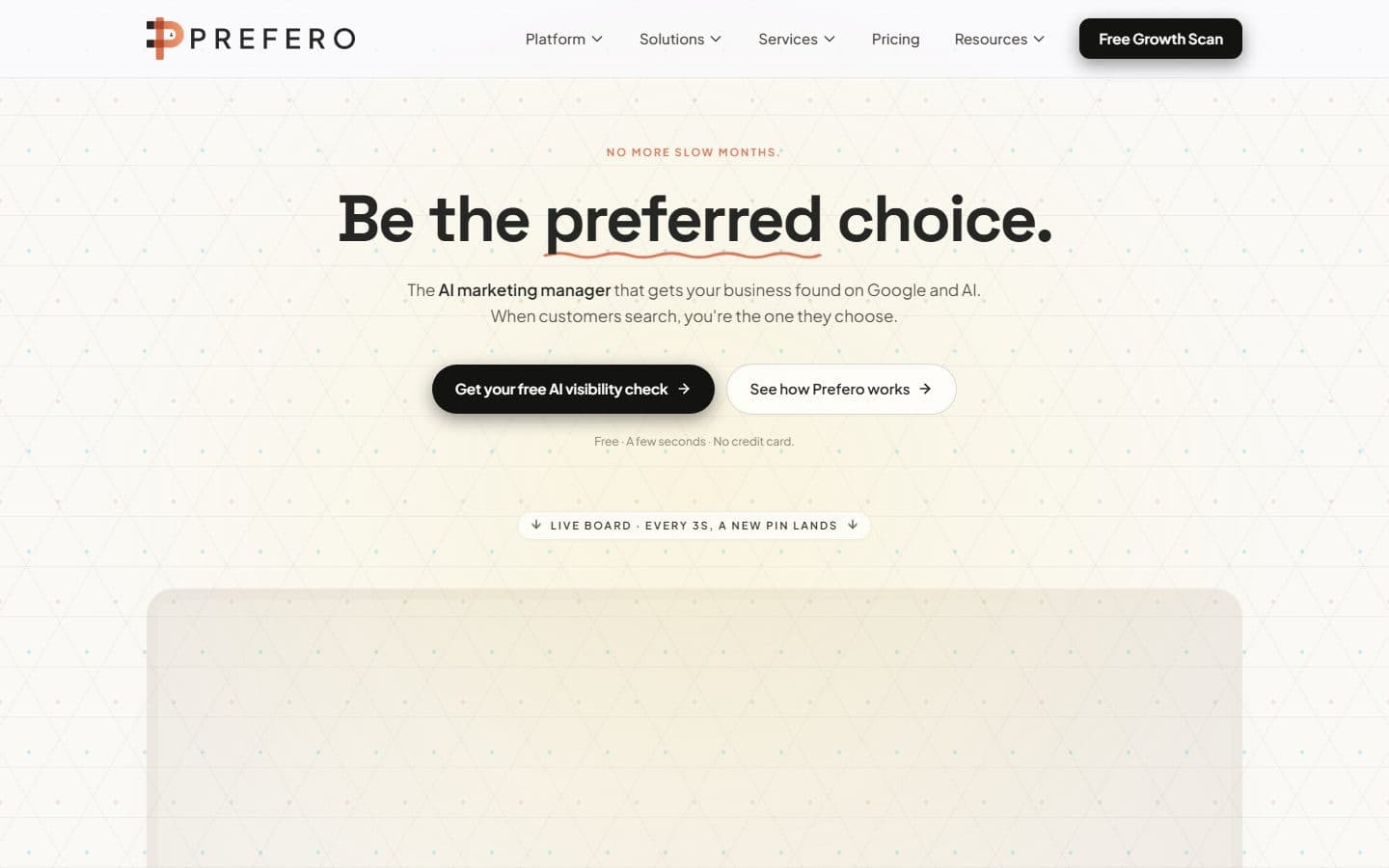 PreferoAn AI marketing manager that gets local businesses found on Google and in AI searchSaaS developmentAI developmentAI automation
- 02 / 04SaaSdingg.app
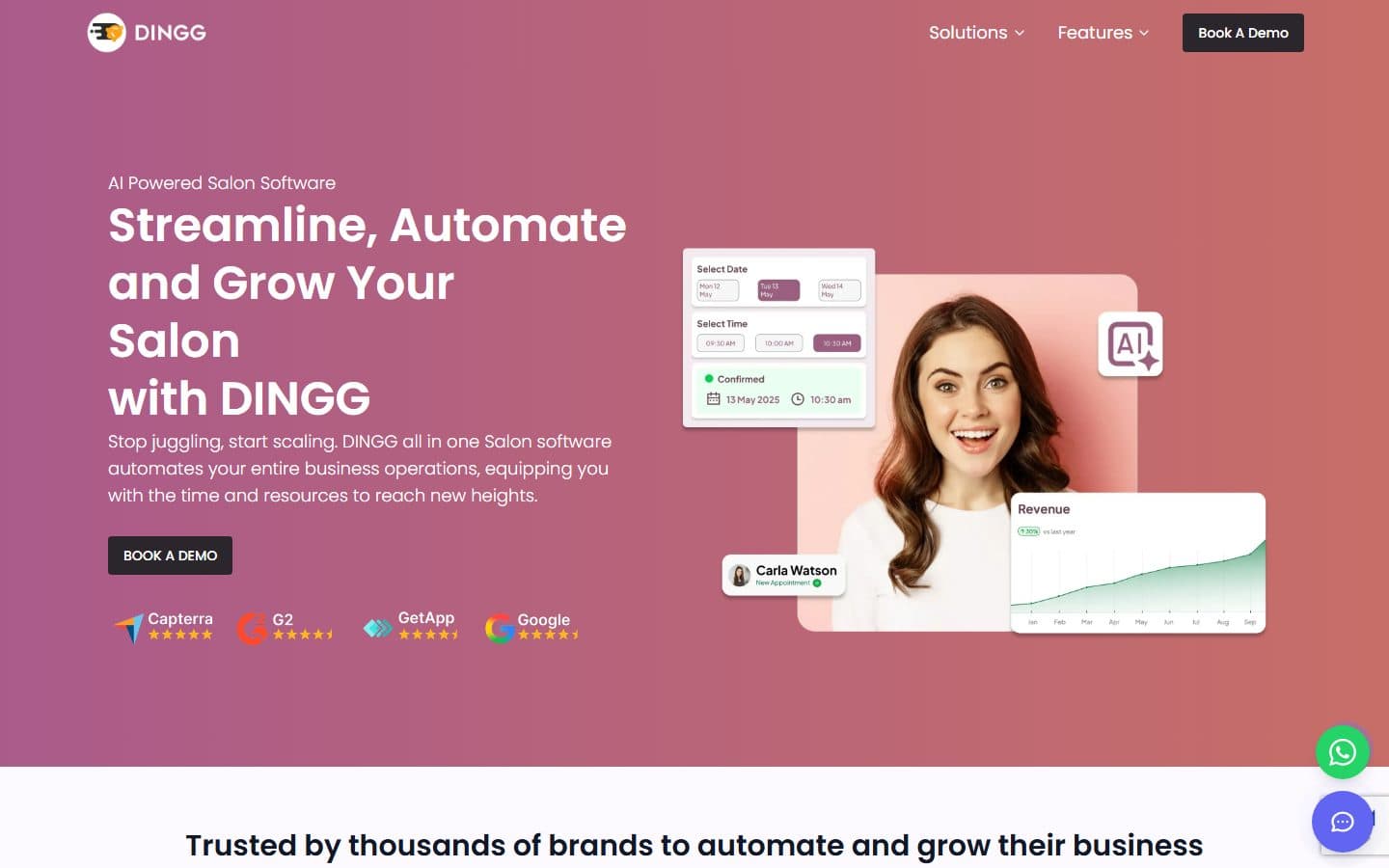 DINGGSalon and spa management software that runs the whole front deskSaaS developmentMobile app developmentBackend engineering
- 03 / 04SaaSfitnish.ai
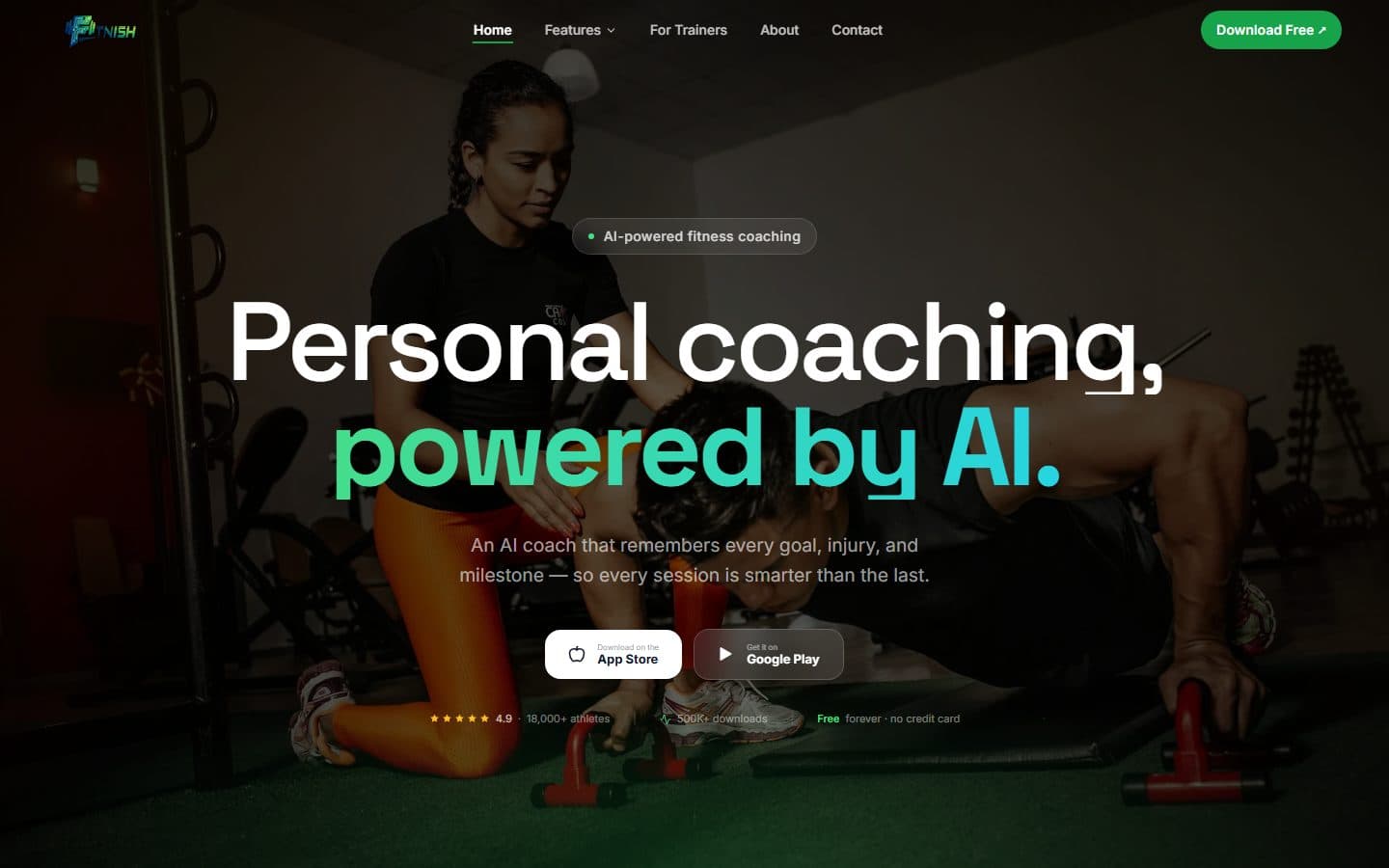 FitnishAn AI fitness coach that remembers every goal, injury and milestoneAI developmentMobile app developmentSaaS development
- 04 / 04Sportsutf-tour.com
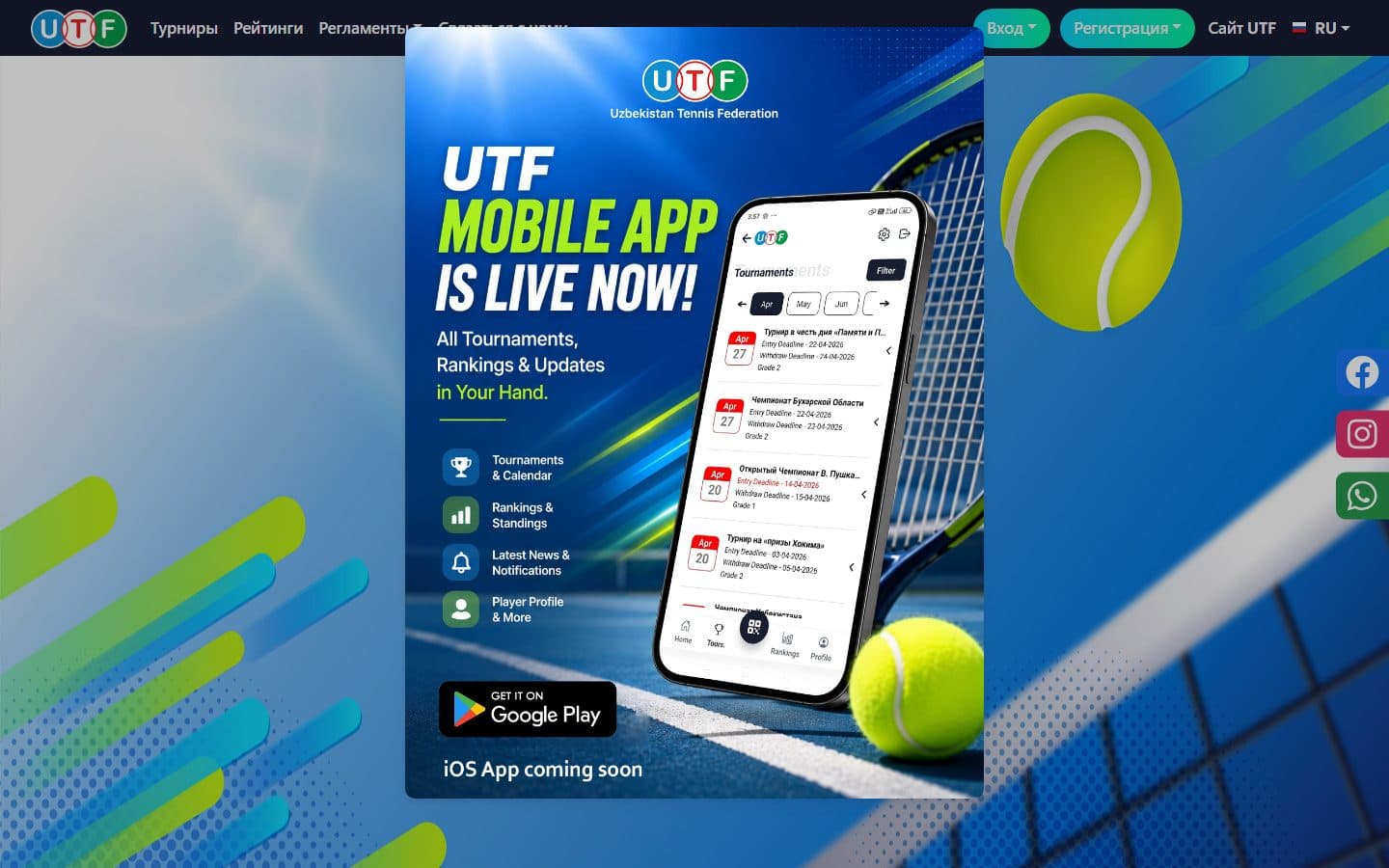 Uzbekistan Tennis FederationTournaments, entries and rankings for a national tennis federationWeb developmentMobile app developmentBackend engineering
- The full shelf18builds, each one written up. 4 shown here.Browse all
- 100+
- Clients delivered for
- 4
- Countries shipped to
- 18
- Projects, written up
- 6
- Awards won
An agent is a loop, not a chatbot.
It wakes on a trigger, reasons, calls your tools, checks its own work and delivers. Then it waits for the next one. No one types a prompt.
run #1,284
Support triage
waiting
Run log live
- ·trigger Inbound email
- ·agent Classify intent
- ·tool crm.find()
- ·agent Draft reply
- ·output Sent · logged
- Humans in loop
- 0
- Avg run
- 6.4s
We don't just build these for clients. We run one.
- Call automation
- Inbound and outbound, transcribed
- Lead follow-up
- Every enquiry answered same day
- HR workflows
- Onboarding and leave, unattended
AI agents that work 24/7, so your business never stops..
Six we have built before. Each one starts from a working system, not a blank repository.
- Clinic AIYour clinic's 24/7 AI receptionistHealthcare
- Lead ManagementIntelligent follow-ups that convertSales & marketing
- HR AutomationHire faster, without the manual chaosHuman resources
- HubSpot IntegrationYour CRM working while you sleepCRM & email
- Notes GeneratorAI study notes, delivered instantlyEducation
- Weather MonitoringStay ahead of every stormOperations

Healthcare
Your clinic's 24/7 AI receptionist
70%
Reduction in no-shows
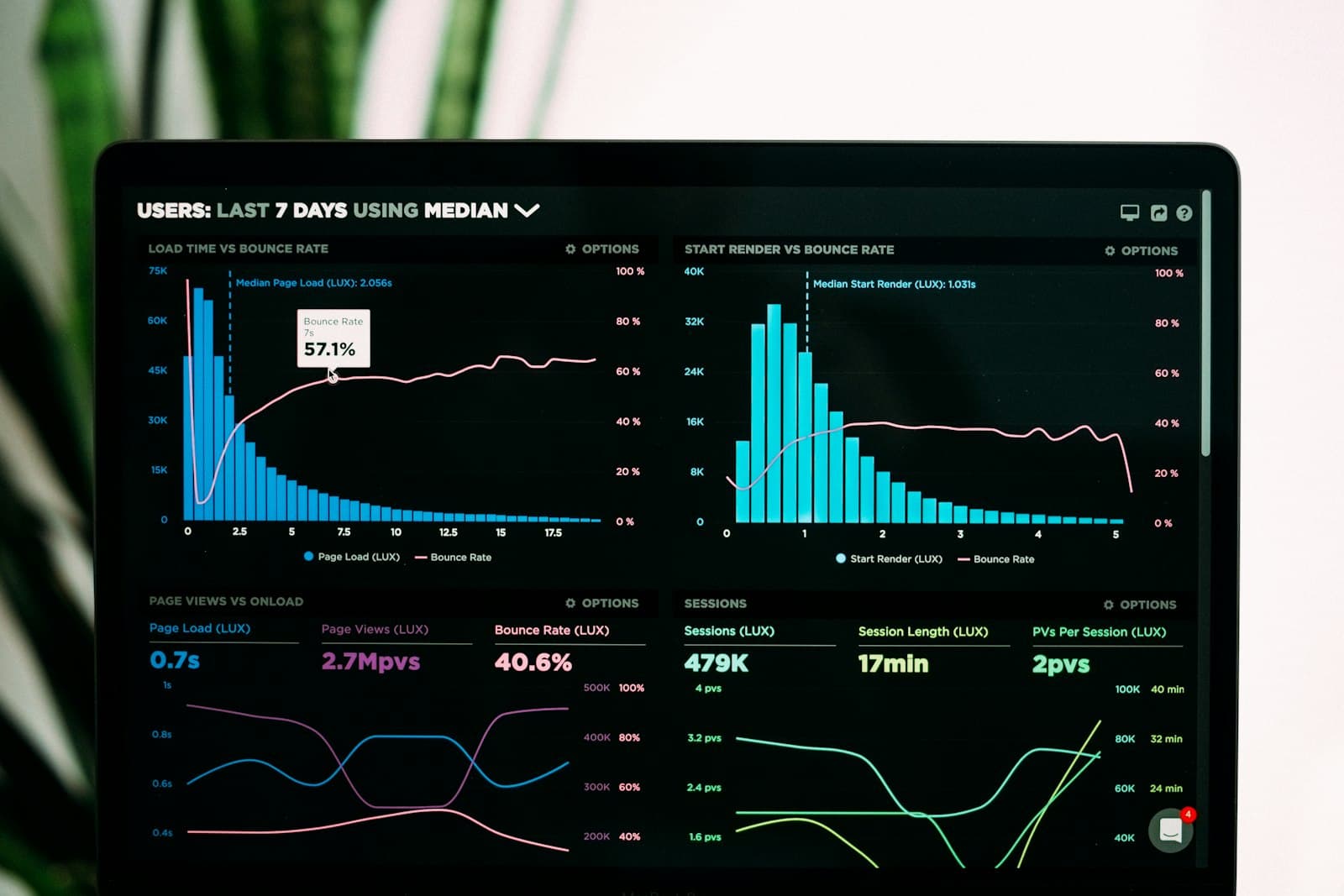



You see something running in every step.
The same five steps on a two-week automation and a nine-month platform. Only their length changes.
Discover
We read the process before we design anything.
Who touches the work, where it stalls, what the data looks like, and which spreadsheet is quietly holding the company together.
- Scope document
- Fixed estimate
- Risk list
Design
Wireframes first, then the real interface.
Flows and screen states before any colour, then production UI in components we already know how to build.
- Screen flows
- Design system
- Clickable prototype
Build
Two-week cycles against a staging link.
Every push updates an environment you can open. You review working software each week and reprioritise from it.
- Staging environment
- Weekly demo
- Tracked backlog
Launch
The rollback is rehearsed before launch day.
Data migration, monitoring, alerting and a tested way back. We stay on the call as real users arrive.
- Production deploy
- Runbook
- Handover session
Scale
Then we automate whatever turned out to be repetitive.
Performance work, new features, and the AI agents that take the tasks your team ended up doing by hand.
- Support agreement
- Monthly roadmap
- Uptime reporting
Six sectors we already know the vocabulary of.
Domain rules, compliance and the words your team uses, learned once already, so the first sprint is spent building.
 HealthcareAppointment booking, patient records and reminder flows that respect consent.
 FinTechLending dashboards, KYC journeys and audit trails that survive a review.
 EducationCourse delivery, cohort tracking and AI-written study material for tutors.
 RetailStorefronts, inventory sync and order flows across every channel you sell on.
 LogisticsShipment tracking, proof-of-delivery capture and dispatcher dashboards.
 Real EstateListing portals, site-visit scheduling and CRMs built for brokers.
The stack
One team builds every layer.
From the screen your customer taps to the agent working behind it. Any language, any framework, any cloud, picked for the problem and handed over in accounts with your name on them.
- The problem picks the stack
- Your stack is welcome
- Proven where it matters
- Your accounts, your keys
The part your customers judge you on. Built in whichever framework fits the product, or the one your team already runs.
- React and Next.js
- Vue and Nuxt
- Angular
- TypeScript
- React Native
- Flutter
- Swift and SwiftUI
- Kotlin and Compose
- + more
Where the business rules live. The language follows the work and your team, not our habit.
- Node.js
- Python
- Java and .NET
- PHP and Go
- + more
The decision that outlives every screen. Relational, document, search or vector, picked by how the data is read and written.
- PostgreSQL and MySQL
- MongoDB and DynamoDB
- Redis
- Search and vectors
- + more
Models are one component in a system. The engineering around them, retrieval, evaluation, cost control and fallback, is what makes them usable.
- Any model provider
- Agents and orchestration
- RAG
- Evaluation
- + more
Any cloud, the same discipline. Every environment is built the same way, so releasing on a Friday is a non-event.
- AWS, Google Cloud and Azure
- Docker and Kubernetes
- Infrastructure as code
- CI/CD and monitoring
- + more
No middle layer
You brief the engineers who will build it. They tell you what is hard, what is cheap, and what the second version will cost before the first one is written.
The people who paid for it, in their own words.
Apoliums is the best software company we have dealt with so far. Speed is great on the system delivered. A nice product to use, stable and scalable.
Richard HallDirector of Revenue Operations Improved performance, resilience and reduced costs. What a way to start what is now a long-standing relationship.
Peter WilliamsCEO & Co-founder We tried several companies when we started this project and Apoliums came out way ahead of the others in terms of quality and speed. We are extremely happy.
Dean FlandersCreative Director & UI Specialist
Three ways in, and none of them a retainer you can't leave.
Fixed price, written scope
A first production release · Date in writing
Scoping and the estimate cost nothing. You get a fixed-scope quote with the cost drivers itemised, and working software from the first week. The launch date is written into the signed scope.
Monthly retainer
After launch, or a stream of changes · Agreed capacity
An agreed capacity each month: dependency and security updates, monitoring and alert response, and a set number of change requests. Optional, never a condition of the build.
Alongside your team
You already have engineers · Your repo, your CI
We work in your repository, your branching model, your CI and your review standards rather than importing ours. What we ask for is one technical decision-maker on your side.
The six questions everyone asks first.
The full listWe price per project, after scoping, so the figure reflects your build rather than an industry average. Four things drive it: the number of user roles, the number of third-party systems to integrate, whether payments or regulated data are involved, and how much existing data has to be migrated.
Fixed price against a written scope is the default, and it is what most clients want for a first release. Longer engagements and work after launch usually run as a monthly retainer with an agreed capacity, because that work is a stream of changes rather than a single deliverable.
The timeline is set after scoping, from the real list of user roles, screens and integrations, and the launch date is written into the signed scope. You see working software from the first week, so the date is something you watch approach.
Changes are priced and agreed in writing before they are built. New information changes plans on every project and that is normal; what is not normal is discovering at the end that it moved the invoice.
You do. Ownership of everything we build for you transfers on full payment, and that is the only condition attached to it.
Most clients continue on a monthly support retainer covering dependency and security updates, monitoring and alert response, and an agreed number of change requests. It is optional, not a condition of the build.
Notes from the build, written by the people doing it.
- Web Performance01Why your Next.js app is slow, and the four things that usually fix itFour causes account for most slow Next.js apps. Measure before you touch any of them, because fixing the wrong one costs a week.9 min readRead
- Architecture02Multi-tenant or single-tenant: choosing a SaaS architecture you can still afford at 200 customersThe question is not which model is better. It is which failure you can survive: a leaked row, or a migration that takes a weekend.10 min readRead
- AI & Automation03What actually breaks when you put an AI agent in productionAn agent that works in a demo and an agent that survives production differ in about six places. None of them are the prompt.9 min readRead
Have a productin mind?Tell us what it does.
Reply comes from an engineer who will work on it, usually the same day.
Or call +91-99770-04451
- 01A 30-minute callAbout the problem, not the tech.
- 02A written scopeWith a number and a date on it.
- 03A team you can reachThe engineers themselves, every week.